Did you know that small changes to your daily routine can help you save money and reduce your environmental impact? Whether you’re in halls or a shared house, these top energy-saving tips are easy to adopt, could save you around £50 to £100+ per year on bills, and help you stay snug through the colder months. Every kilowatt of energy saved reduces your carbon footprint, helping to fight climate change and protect the planet.
⚡ Turn off standby devices
Leaving tech on standby can cost up to £45 per year in wasted electricity. That’s the same as 16 pints in The Stags! Switch off devices at the wall when not in use—especially TVs, consoles, and chargers. It’s a simple habit that adds up.
🌡️ Heat smart

When indoors, try and keep living areas at a maximum of 21°C, and bedrooms at 18°C when sleeping.
- Take the thermostat challenge. Turning the heating down by just 1°C can reduce heating costs in a house by £90 a year!
- Leaving the heating on low all day is not cheaper. Only put it on when you need it.
- Keep radiators clear to make sure the whole room is heated quickly.
- Add some radiator reflector foil behind radiators. The foil bounces heat back into the room instead of it absorbing through the walls and can save up to £25 on heating bills a year, according to the Energy Saving Trust.
- Heat the human! Heated blankets and throws are very cost effective and energy-efficient; you’ll be using less energy than you would if you turned up the radiators. Check out Save The Student’s guide to getting cheap electric blankets, including how to use them safely.
☕ Boil what you need
Kettles are power-hungry appliances. When using the kettle, only boil the amount of water you need. It’s faster, cheaper, and better for the planet. A shared house could reduce energy bills by £11 each year by only filling the kettle as much as needed.
💡 Use energy efficient appliances
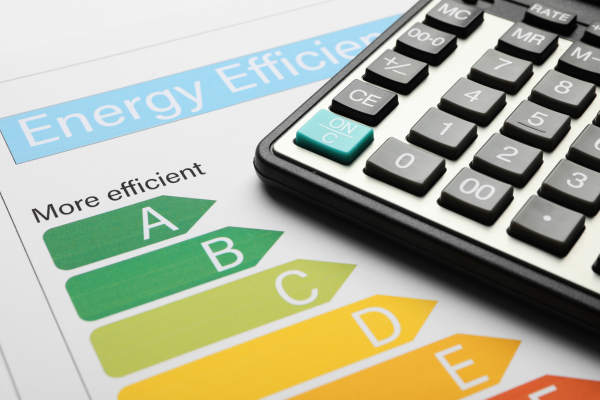
When buying or replacing appliances, check the energy rating label and go for the best energy rating you can afford. The rating runs from A to G, with A being the most energy efficient, and G the least energy efficient. Even if the item is a little more money upfront, it will cost less to run in the long run. Check out the Energy Saving Trust’s guide to energy efficiency ratings for more information.
🍟 Air fryers are your friend
Air fryers are energy-efficient heroes and can save your over £50 per year (depending on your cooking habits) compared to an electric oven! They cook faster than ovens and use less electricity thanks to their compact design and ability to heat up quickly.
🧼 Fewer, cooler washes
Save water, electricity, and up to £27 a year by washing clothes on a 30°C cycle. These days, detergents work just as well at lower temperatures, so you won’t be sacrificing cleanliness. And by always do a full load. Why not make up laundry loads with your housemates if you’re happy to share the machine.
🍃 Draughts bad…
Draughts are uncontrolled, unwanted ventilation – often around doors and windows – and can cause considerable heat loss and discomfort.
- Block draughts! Use draught excluders, rolled-up towels and even bubble wrap to block cold air around doors and windows.
- Close curtains at dusk to keep warmth in and reduce the need to crank up the heating.
🪟 …ventilation good!
Keeping your home ventilated is an important step in preventing damp and mould and protecting your health. A damp property is more difficult and expensive to heat, can lead to mould growth, and cause a wide range of health conditions.
- Always open the kitchen window when cooking and try to open windows at either side of your house (even a little bit) to allow a flow of air.
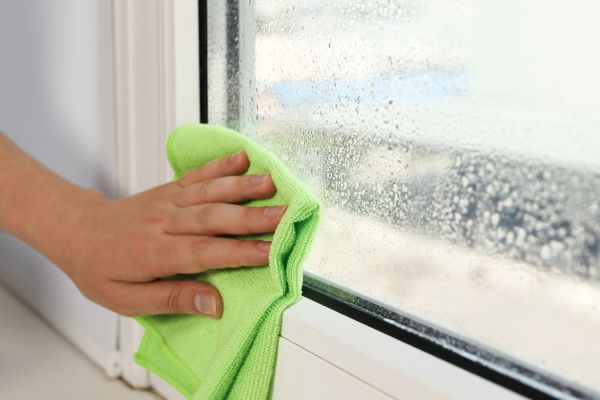
- Wipe condensation from windows and bathrooms regularly.
- Dry clothes in front of, NOT on, radiators, if you’re drying them indoors. Or pop them in front of an open window, or even better dry them outside.
- When searching for a house, always arrange a visit and look for signs of damp (e.g. condensation, musty smell, peeling paint, black spots on walls and ceilings). Not only could it indicate the property is difficult and costly to heat, but it could also mean that mould is present. Not good for your health.
- If you are already in a property with mould, contact your landlord/agency explaining the issue and asking them to take action and make repairs.
📚 More advice?
The Energy Saving Trust’s website is a one-stop shop for clear, concise advice and practical info.
SOS-UK runs excellent free webinars on a range of topics, including how to manage damp in a rented property and understanding energy bills. You can find their YouTube channel here. And remember, you can access advice and support on Cost of Living any time from our friendly team in the SUSU Advice Centre.